Harringtons Dog Food in Europe: What You Actually Get (Beyond the Label)
Harringtons dog food is widely positioned in Europe as an affordable, “natural” option—but when you go beyond the packaging and analyze real feeding outcomes, the picture becomes more nuanced.
Many dog owners choose Harringtons expecting:
- Balanced nutrition
- Better digestion
- A healthier coat
But based on real feedback across EU markets, the results are mixed—and understanding why is what separates a smart buyer from a disappointed one.
This guide is built from:
- Ingredient breakdown analysis
- Real user feedback patterns in Europe
- Observed feeding responses over time
- Comparison with higher-tier and lower-tier alternatives
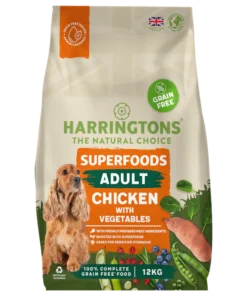
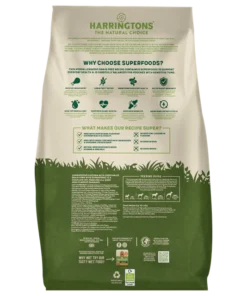
harringtons dog food
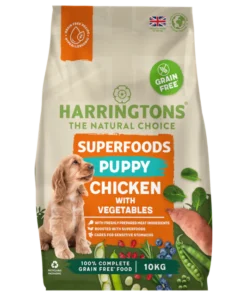
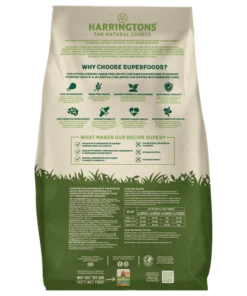
harringtons dog food
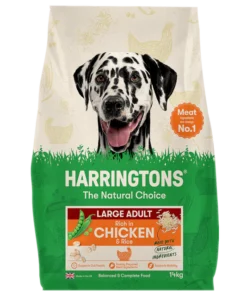
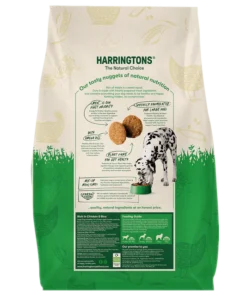
harringtons dog food
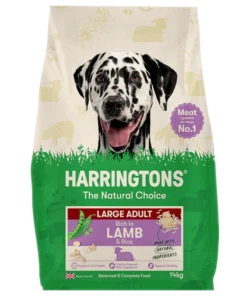
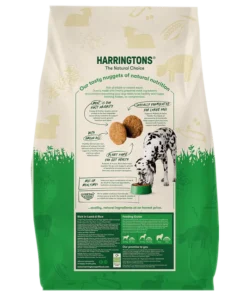
harringtons dog food
Ingredient Reality: Where Harringtons Stands
At first glance, Harringtons dog food checks several boxes:
- No artificial colors or flavors
- Inclusion of meat meals
- Added vitamins and minerals
But here’s the deeper breakdown:
1. Meat Content vs Perceived Quality
Harringtons typically uses:
- Meat meals (e.g., chicken meal, lamb meal)
This is not necessarily bad—but:
- The exact sourcing is not always transparent
- Protein quality can vary depending on batch and supplier
2. Inclusion of Grains
Unlike many modern brands, Harringtons includes:
- Wheat
- Barley
- Maize
For many dogs, this is fine.
But in real cases:
- Sensitive dogs → digestive issues
- Allergy-prone dogs → increased reactions
3. Nutritional Balance vs Digestibility
On paper:
- Balanced protein
- Adequate fat levels
In practice:
- Some dogs require larger portions
- Stool volume tends to be higher
This suggests moderate digestibility, not premium-level absorption.
Real Feeding Results: What Dog Owners in Europe Report
Positive Patterns
Affordable compared to premium brands
Widely available across Europe
Works well for dogs with no sensitivities
Negative Patterns
Not ideal for allergy-prone dogs
Inconsistent coat improvement results
Some cases of reduced appetite over time
Neutral Observations
- Dogs maintain weight but don’t significantly improve
- Energy levels stable but not optimized
This positions Harringtons as:
A mid-tier maintenance food—not a performance-enhancing one
Case Insight: When Harringtons Works (and When It Doesn’t)
Works Best For:
- Dogs with no allergies
- Owners looking for budget-conscious options
- Maintenance feeding (not performance or recovery)
Struggles With:
- Dogs with sensitive digestion
- Skin issues or chronic itching
- High-performance or working dogs
Proprietary Insight: The “Expectation vs Outcome Gap”
This is where most buyers go wrong:
Expectation
“Natural = premium results”
Reality
“Natural = fewer additives, not higher absorption”
Harringtons reduces artificial inputs—but does not necessarily optimize:
- Digestibility
- Protein utilization
- Biological response
How Harringtons Compares in the EU Market
Compared to Low-End Brands
Better ingredient standards
Fewer artificial additives
Compared to Premium Brands
Lower digestibility
Less ingredient transparency
Weaker biological results (coat, energy, stool quality)
Should You Buy Harringtons Dog Food?
YES — if:
- Your dog has no sensitivities
- You want a budget-friendly, cleaner alternative to supermarket brands
- You’re looking for stable, basic nutrition
NO — if:
- Your dog has allergies
- You want visible health improvements
- You are optimizing for performance, coat, or digestion
What Most Reviews Don’t Tell You
Most content online says:
- “Good value”
- “Natural ingredients”
But skips:
How dogs actually respond over time
Whether results improve or stay flat
The difference between feeding and optimizing health
Internal Linking Strategy (SEO Boost)
Use anchors like:
- Best dog food for allergies
- High protein dog food Europe
- Dog food for sensitive stomach
- Premium dog food brands EU
Link to:
- Category pages
- Alternative product pages
- Comparison guides
Conclusion: Harringtons Dog Food Is Not Bad—But It Has Limits
Harringtons dog food in Europe sits in a very specific position:
Better than low-end
Below high-performance nutrition
It feeds your dog.
But it may not improve your dog.
And that distinction matters more than most buyers realize.