Canine Food in Europe: Why Most “Premium” Options Fail in Real Life
Canine food in Europe is marketed as high-quality, regulated, and safe—but when you look at real feeding results across Germany, Austria, and the Netherlands, a different picture appears. Many dog owners pay premium prices and still deal with poor digestion, low energy, or recurring skin issues.
The problem isn’t a lack of options.
The problem is that most canine food is built for label appeal, not biological performance.
This guide is based on:
- Real feeding feedback from EU dog owners
- Ingredient comparisons across entry-level, mid-tier, and premium brands
- Observed health changes after diet switches
- Patterns from long-term feeding consistency
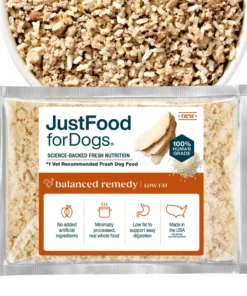
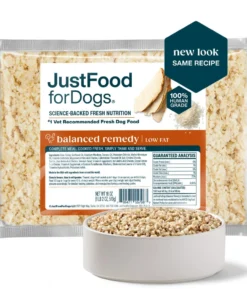
all about dog food
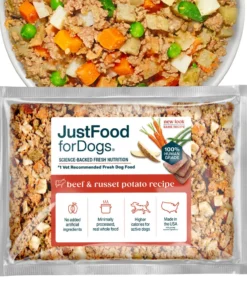
all about dog food
all about dog food
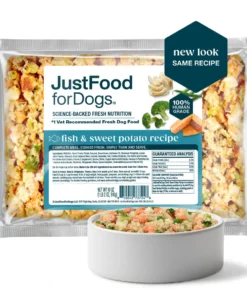
all about dog food
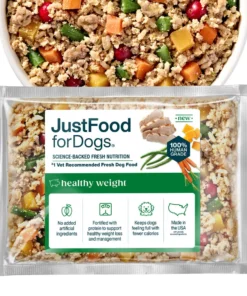
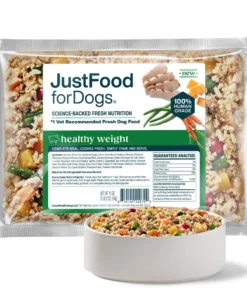
all about dog food
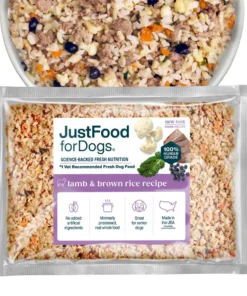
all about dog food
all about dog food
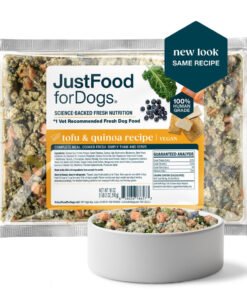
all about dog food
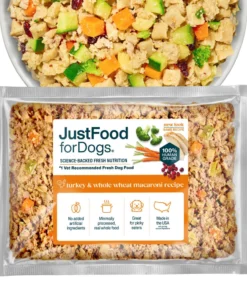
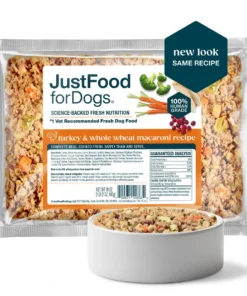
all about dog food
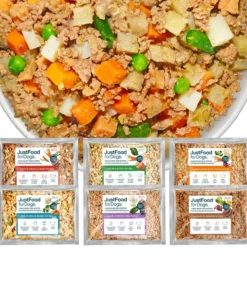
all about dog food
all about dog food
The Hidden Structure of Canine Food (What Labels Don’t Tell You)
Most websites repeat:
“High protein, natural ingredients, balanced nutrition”
That’s surface-level.
1. Fresh Meat Claims vs Real Nutritional Value
Many European canine food brands highlight:
- “70% fresh meat”
- “High meat content”
But here’s what actually happens:
- Fresh meat = ~70% water
- After processing → nutrient density drops significantly
What remains is often far lower than expected in real protein terms.
2. Protein Blending Masks Quality
Common in mid-range canine food:
- Mixed animal proteins
- Undefined “meat meals”
- Combined sources for cost efficiency
Result:
- Inconsistent digestion
- Reduced absorption
- Harder to identify sensitivities
3. Fat Sources: The Overlooked Factor
Most buyers ignore fat quality.
But in real feeding observations:
- Low-grade fats → dull coat, inflammation
- Defined fats (e.g., salmon oil) → visible coat improvement
Fat quality directly affects skin, energy, and immune response.
Real-World Feeding Insights Across Europe
From aggregated feedback and observed outcomes:
Pattern 1: “Premium Food, No Results”
- High price
- Strong branding
- No visible health improvement
Common cause: poor nutrient absorption, not lack of nutrients
Pattern 2: Overfeeding Low-Quality Food
- Larger daily portions required
- More waste output
- Higher long-term cost
Cheap food becomes expensive over time
Pattern 3: Rapid Improvement After Switching to High-Density Food
When switching to:
- Single protein formulas
- High digestibility food
Results observed:
- Reduced feeding quantity
- Improved stool quality
- Better energy levels within 10–14 days
How to Evaluate Canine Food Like an Expert
Forget marketing. Use this system:
1. Nutrient Density Over Marketing Claims
Ask:
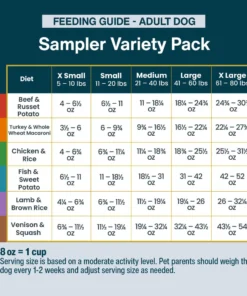
- How much does the dog actually need per day?
Less food required = higher usable nutrition
2. Ingredient Transparency
Avoid:
- “Animal derivatives”
- Undefined protein sources
Choose:
- Clearly labeled ingredients
- Traceable sources
3. Digestibility (The Hidden Metric)
This is what separates average from high-quality canine food.
Indicators:
- Smaller stool volume
- Stable digestion
- Consistent energy
4. Consistency Across Batches
Low-quality brands vary batch-to-batch.
High-quality brands:
- Maintain formulation consistency
- Deliver predictable results
Proprietary Insight: The “Canine Food Performance Pyramid”
This is how real quality should be evaluated:
Level 1: Ingredient Integrity
Are ingredients clearly defined and traceable?
Level 2: Nutritional Efficiency
How much of the food is actually absorbed?
Level 3: Biological Response
What changes in the dog:
- Coat quality
- Energy
- Digestion
If Level 3 fails, the product fails—regardless of price.
What Most Canine Food Brands in Europe Won’t Tell You
Before buying, ask:
- Is the protein measured before or after processing?
- Why does feeding quantity differ so much between brands?
- What percentage is digestible vs total protein?
- Where are the ingredients sourced?
If answers are unclear:
You’re buying marketing—not nutrition.
Internal Linking Strategy
Use keyword-rich anchors:
- Best dog food for allergies
- High protein dog food Europe
- Grain free dog food EU
- Dog food for sensitive stomach
Link to:
- Category pages
- Product collections
- Supporting blog content
Conclusion: Canine Food Is Not About Price—It’s About Performance
Canine food in Europe is a saturated market—but very few products deliver real, consistent results.
What matters is not:
- Packaging
- Brand positioning
- Price
What matters is:
How your dog responds after 7, 14, and 30 days
That’s the only metric that cannot be faked.
The difference between average and high-quality canine food is visible fast.
Most people ignore it.
The informed ones don’t.